· 7 min read
Drone Careers in 2026: Where the Jobs Are
Where drone jobs cluster in 2026, which skills beat buying a second drone, and realistic paths from Part 107 to inspection, ag, and BVLOS work.
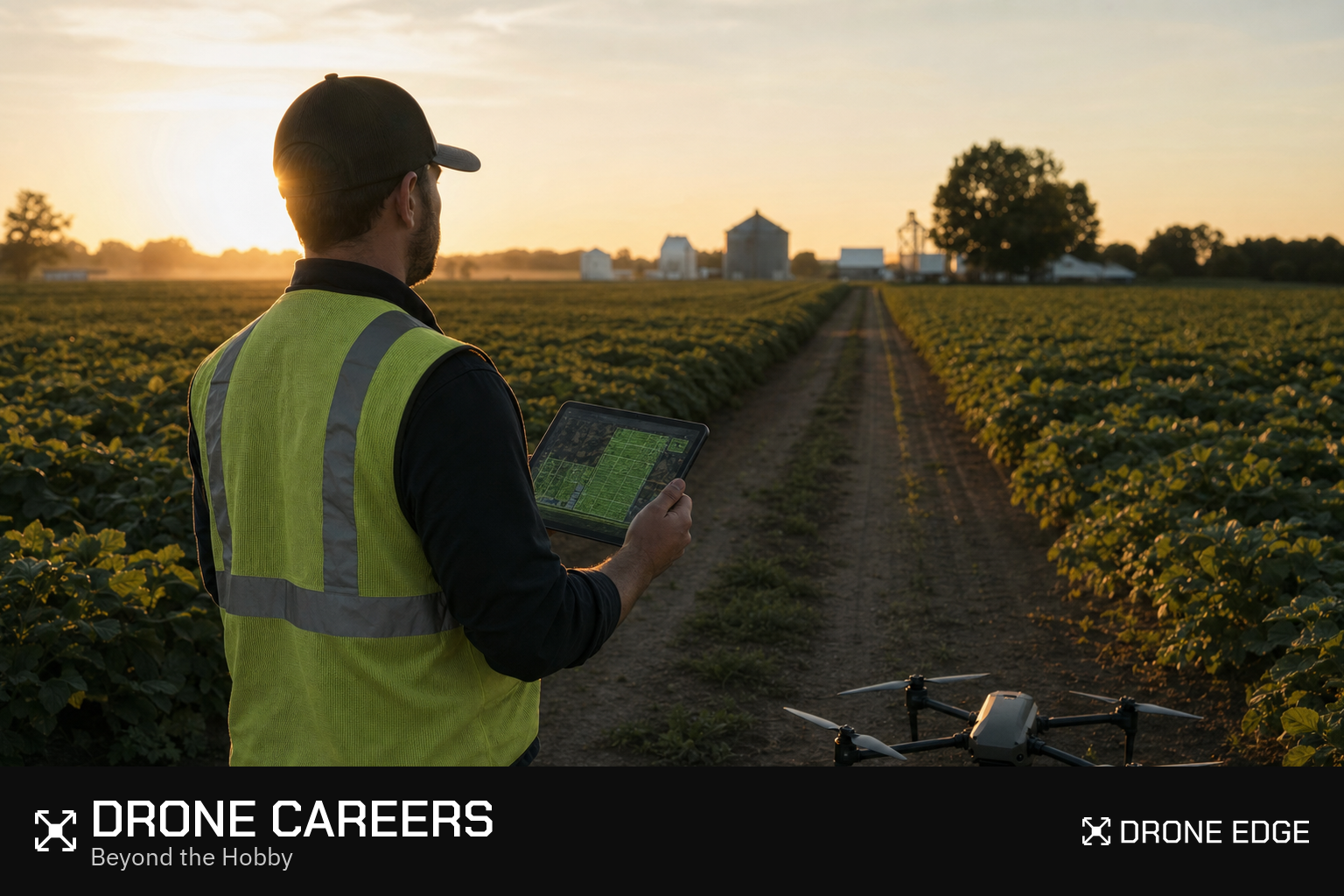
In short: A Part 107 certificate opens the door, but careers are built from sensors, deliverables, and repeat contracts—not from owning another quadcopter. In 2026, hiring was strong in agriculture data, infrastructure and energy inspection, public safety programs, BVLOS logistics, and fire-adjacent thermal roles. Wedding and real-estate flying remain the most visible entry point and the thinnest market.
The glamorous entry point is still wedding flyovers and cinematic reels. The steadier hiring surge is in wetlands, warehouses, and wildfire perimeters: repeatable flights that produce maps, prescriptions, inspection reports, or incident overlays a client can insure and buy again next season. Influencers sell “six-figure drone pilot” simplicity; hiring managers buy repeatable data products, documented maintenance, and crews who can write SOPs.
The numbers back this up. The FAA counted about 480,000 certificated remote pilots in late 2025, yet in its survey of 2024 operators, 36% of Part 107 holders flew only recreationally and 8% didn't fly at all. Certificates are common; skills that produce something a client pays for are not. This guide maps where those jobs cluster, what credentials gate them, and how to stack skills employers actually invoice.
Key takeaways
- Agriculture: growth is in integrators who deliver NDVI, stand counts, and irrigation stress—not one-off pretty maps.
- Fire & forestry: prevention patrols, incident thermal under ICS, and vendor MSO roles differ; certs and seasonality vary by path.
- Delivery: scaled operators hire ops, compliance, and reliability engineering; pure “fly for tips” slots are fewer than headlines imply.
- Inspection & energy: transmission, turbines, and solar thermography often outpay creative markets; OEM and utility pathways exist in some regions.
- Scarce skills: BVLOS experience (waivers today, Part 108 when it's final), LiDAR/photogrammetry, thermal interpretation, GIS, Python automation, and fleet documentation.
Who hires: employees, contractors, and program leads
Job posts fall into three buckets more often than a single “drone pilot” title.
1099 and small-shop pilots sell per-acre, per-mile, or per-mission work in ag, media, and local inspection. W-2 operators and technicians appear inside utilities, construction firms, state forestry, and delivery subsidiaries—with benefits tied to fleet scale.
Program managers and BVLOS leads own airspace strategy, vendor selection, waiver binders, and crew training; they may fly less than they approve routes and data standards. If your goal is full-time stability, search for program and operations titles, not only “Part 107 pilot.”
Agriculture and precision ag
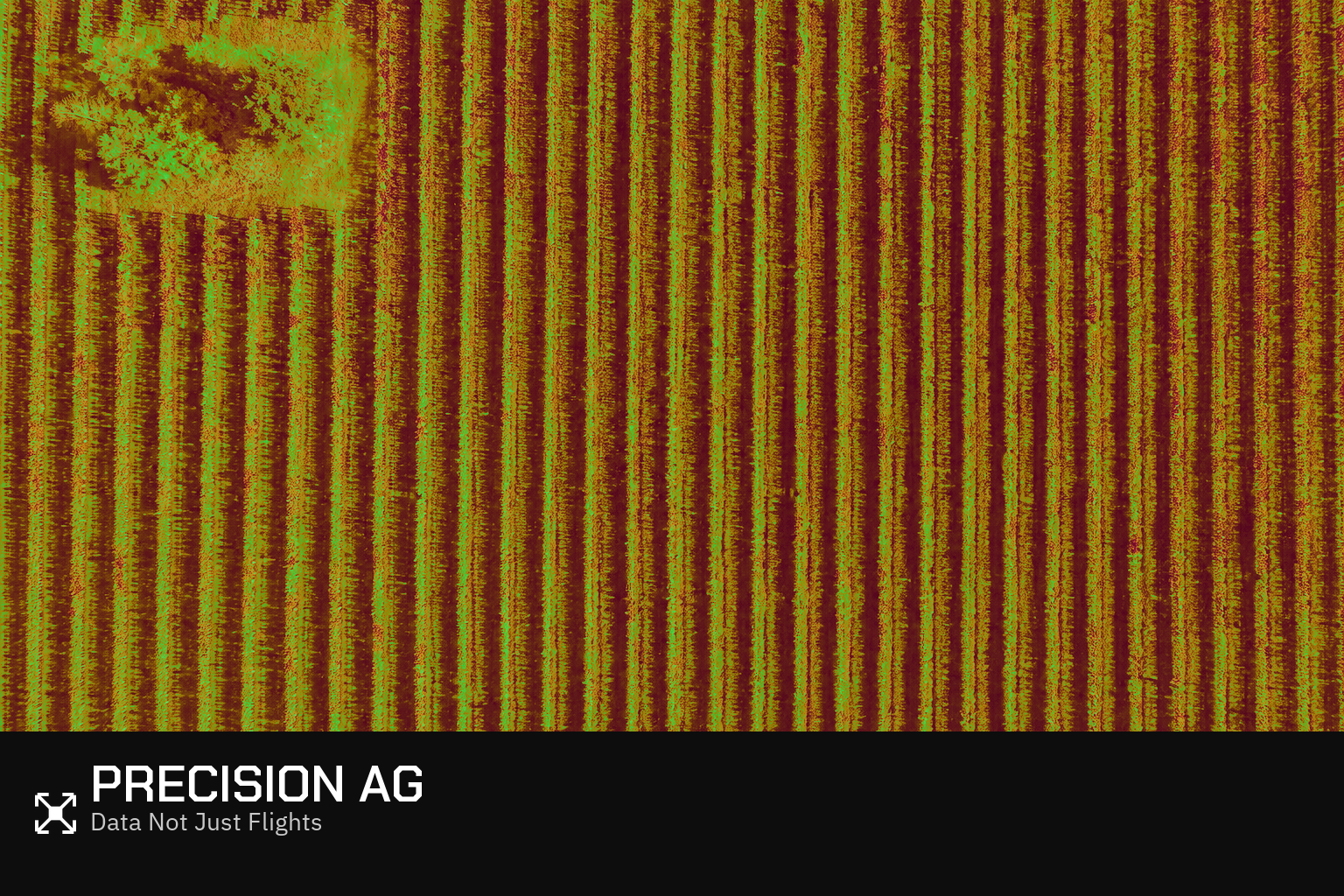
Employers want agronomic outputs: variable-rate support, stand counts, drainage stress, and seasonal monitoring tied to farm management software—not a ZIP of JPEGs.
Roles include crop-scouting pilots, agronomist-facing analysts, spray/dispense operators where state and federal rules allow, and cooperative fleet managers. A common path runs Part 107 → vendor training on photogrammetry platforms → seasonal contracts → full-time ag-tech integrator. BVLOS over large fields and autonomy for repetitive transects are pushing hiring toward people who understand both flight and data pipelines.
Fire, forestry, and thermal operations
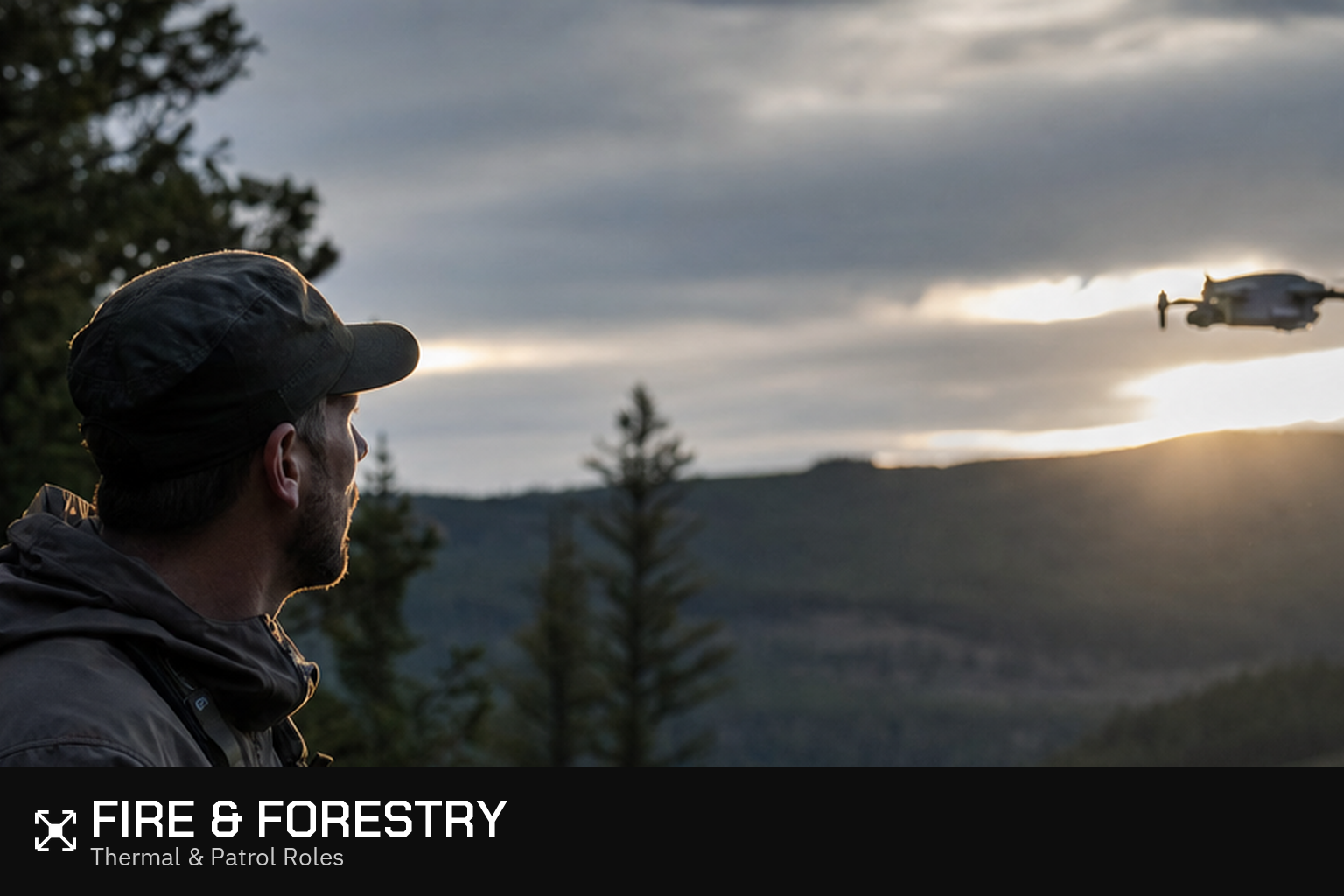
Wildfire work splits into prevention and detection (patrol transects, risk maps), incident support (tactical thermal mapping under incident command), and R&D at autonomy and aerial-fire startups—each with different training gates.
Mission Sensor Operator-style vendor roles and NWCG-aligned UAS data specialist paths emphasize thermal literacy, georeferenced overlays, and airspace coordination with manned fire aviation—not cinematic FPV skills. Seasonality and mental load are real; full-time “drone firefighter” as a single universal title is rare. Night operations, export-controlled gear, and ICS communication are where serious candidates differentiate.
Delivery and logistics
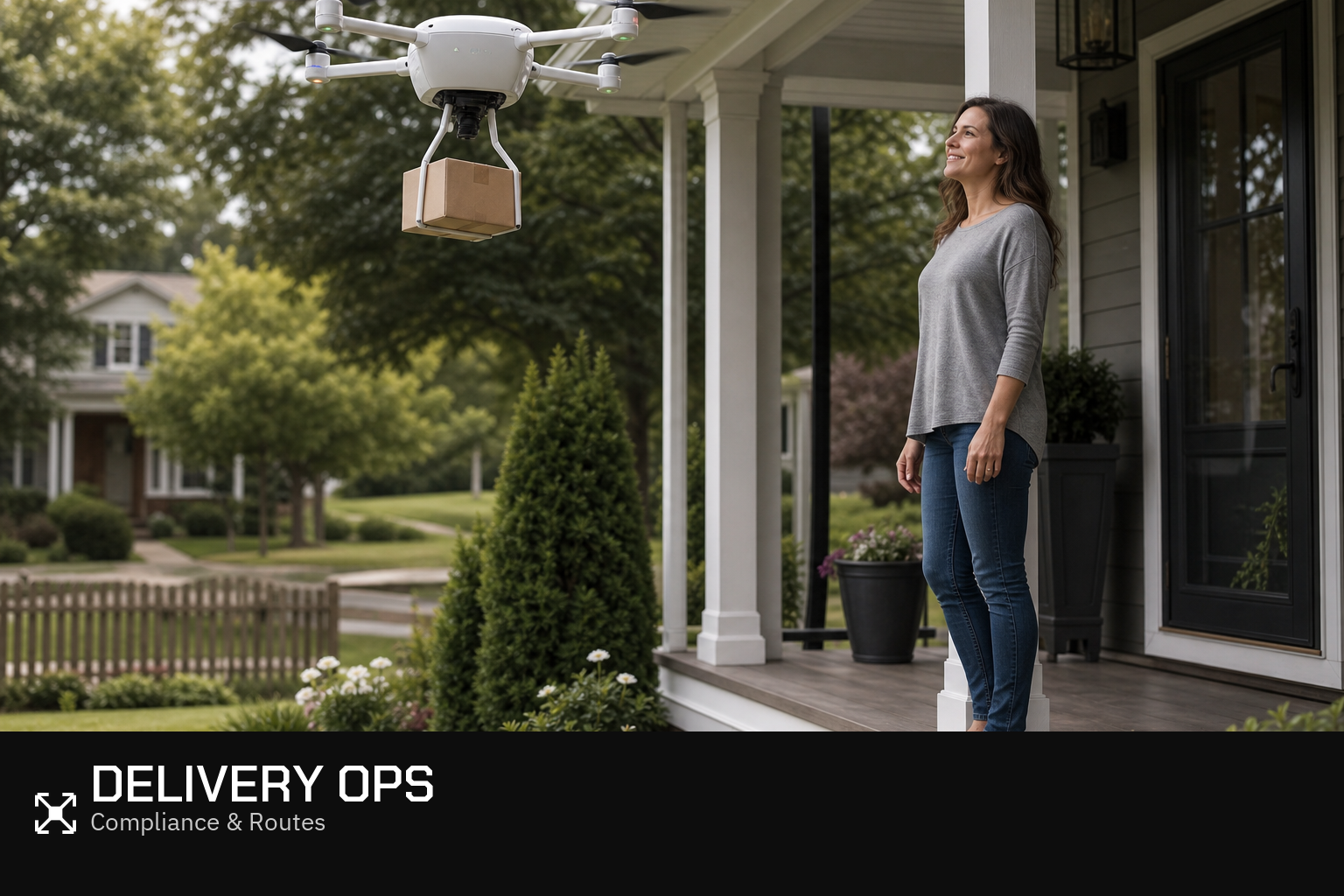
Medical-first suburban routes often face warmer public acceptance than gadget drops. Behind the aircraft, hiring skews to route safety managers, maintenance techs, UTM coordinators, and waiver authors who can defend a safety case. Economics favor route density; sparse exurbs are harder.
Scaling is tied to detect-and-avoid maturity, noise politics, and BVLOS policy. The FAA's proposed Part 108 rule for routine beyond-visual-line-of-sight flight was published in August 2025 and went to White House review in July 2026; as of October 2026 it is not final, and BVLOS work still runs on waivers. Entry pilots exist, but the long game is ops plus compliance plus autonomy reliability—not hobby-grade line of sight alone.
Infrastructure, energy, and inspection
Transmission corridors, bridge and tunnel inspections, wind-turbine blade analysis, and solar thermography recruit pilots who tolerate travel and repetitive checklists. Pay bands often exceed saturated creative markets; some utilities and unions expose structured pathways.
Deliverables are cm-level defect reports, thermal anomalies, and LiDAR corridors—not highlight reels. OEM training on enterprise platforms and confined-space waivers appear in mature programs. This is where “second drone on the shelf” loses to processing, reporting, and client-ready SOPs.

Creative, real estate, and saturated entry markets
Photography, FPV film, and luxury real-estate aerials are how many pilots discover the industry—and where supply most outstrips price pressure. Differentiation means licensing discipline, insured operations, city airspace fluency, or a deliberate pivot toward inspection-adjacent creative work. Treat creative gigs as portfolio builders unless you have a niche brand; pair them with one technical sensor story employers respect.
Construction, public safety, and adjacent paths
Construction and surveying: site progress, earthwork volumes, stockpiles, and BIM-aligned as-builts—often alongside licensed surveyors; know when you are not surveyor of record.
Public safety: overwatch, scene reconstruction, SAR coordination; policy and warrant awareness matter as much as stick skill. Environmental: wildlife transects and wetland monitoring with ethics around disturbance.
Maritime and C-UAS: adjacent cert stacks—USV and hydrographic paths, or counter-UAS integration at venues (civilian jamming remains off-limits). Training: Part 107 instruction and enterprise fleet training are meta-careers feeding the same pipeline.
Emerging roles to watch (2026–2030)
- BVLOS fleet lead — scarce; specialist survey bands often sit well above entry pilot ranges (verify region).
- UAS perception / autonomy engineer — software plus field validation; spillover from computer-vision maturation on small UAS.
- Drone-in-a-box remote ops center operator — multi-site monitoring with maintenance discipline.
- Compliance and regulatory consultant — export, FCC, municipal, and fleet documentation for agencies and enterprises.
- Insurance and risk assessor with UAS literacy — underwriting programs that depend on SOP evidence.
Sector snapshot
| Sector | Typical hiring | Saturation (1–5) | Beyond Part 107 |
|---|---|---|---|
| Real estate / weddings | 1099, solo | 5 — high | Portfolio, insurance, airspace |
| Precision agriculture | Seasonal → integrator | 2 — moderate | Multispectral, agronomy tools, BVLOS |
| Fire / forestry UAS | Seasonal, vendor, R&D | 3 — specialized | Thermal, ICS, NWCG-style quals |
| Delivery / logistics | W-2 ops & engineering | 3 — growing | BVLOS waiver, DAA, reliability |
| Utilities / inspection | W-2, enterprise | 2 — talent-constrained | LiDAR, thermography, OEM certs |
| Public safety | Agency program | 3 — policy-gated | COA/waivers, policy training |
What drone jobs pay
There is no "drone pilot" category in federal labor statistics, which is why online salary claims vary so much. Be wary of any figure that says it is one. In particular, the commercial airline and charter pilot median ($123,220 in May 2025) is not drone pay.
What the government data does show: BLS projects aerospace engineering and operations technicians to grow 12% from 2025 to 2035, citing continued interest in drones, with a median wage of $82,890 (May 2025). Surveying and mapping technicians and inspection roles also list drones as a growing tool. For a specific job, compare dated postings in your region; pay depends far more on the sensor, the deliverable, and the employer than on the certificate.
Questions answered
How many people have a Part 107 certificate?
The FAA counted 481,760 certificated remote pilots in November 2025 and forecasts about 628,600 by 2030. The certificate is the entry ticket, not the differentiator.
Do I need a college degree?
Many flight-heavy roles weight Part 107 + portfolio + sensor skills over degrees. Engineering, BVLOS program, and perception roles increasingly expect CS/EE/aviation credentials or demonstrated waiver and test evidence.
Is agriculture still a growth sector?
Yes—in data integration more than “fly a field once.” Employers want prescriptions, stand analytics, and seasonal monitoring tied to farm decisions.
Can I make firefighting my full-time drone job?
Mix of seasonal incident roles, vendor MSO positions, and startup R&D—not one uniform title everywhere. Thermal skill and ICS literacy are gates; expect seasonality unless you diversify clients.
Is delivery hiring pilots or engineers?
Both, but scaled delivery favors ops + compliance + autonomy reliability; pilot slots per route are smaller than media suggests.
What skills beat a second drone on the shelf?
LiDAR and photogrammetry processing, thermal interpretation, GIS, Python for automation, BVLOS waiver participation, maintenance logs, and SOP writing clients can insure.
How do fleet compliance rules affect hiring?
Enterprise and agency buyers document covered-vendor and Remote ID choices. Pilots who can log configurations, spares, and compliance paperwork are more valuable as programs scale—especially where Blue UAS or non-covered vendor policies apply.
What pays more than creative flying?
Infrastructure, energy, BVLOS program management, and specialized thermal paths—confirm listings in your region rather than national averages alone.
Your first 90 days
- Pass Part 107 and log diverse missions—not only parks and backyards.
- Pick one sensor story: thermal, multispectral, or survey-grade mapping.
- Learn one processing stack (GIS + photogrammetry workflow).
- Build three client-ready sample deliverables, not highlight reels alone.
- Track posts for program manager, BVLOS, and UAS operations titles—not only “drone pilot.”
- Read policy and tech primers on Remote ID, delivery economics, onboard vision, and BVLOS detect-and-avoid in our articles so interviews show systems thinking.
Related reading
- Who Gets to Build Drones? Jobs, Hobbyists and the Skills Gap — why design-and-build skills are the missing rung
- Drone Education Programs in 2026: Middle School to Jobs — where to learn at each level
- Preview Unit 1 of our FAA Part 107 course free
Sources: FAA Drones by the Numbers; FAA sUAS Survey Report (2024 operators); BLS Occupational Outlook Handbook (May 2025 data).
Last updated: October 2026.
Comments
Loading comments...
Sign in to join the conversation.